
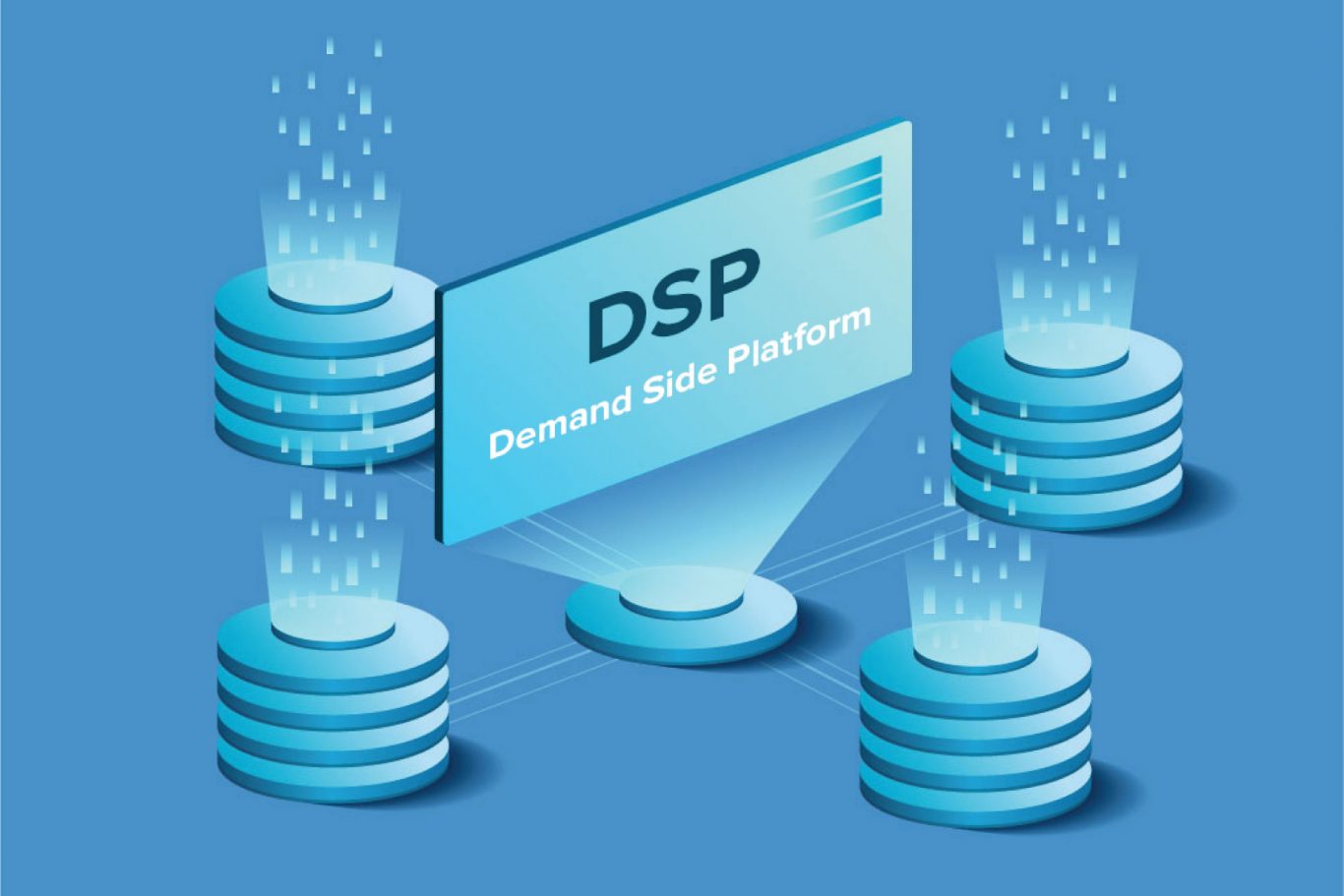
A demand side platform (DSP) is an advertising platform online that makes it easy for an advertiser to buy and sell online display advertising on multiple ad exchanges.
DSPs are systems created by an ad buyer or an agency to buy inventories from a variety of platforms. An ad network, simplified, is when a group of online publishers come together and combine their ad inventory to provide a large and more appealing audience for advertisers.
This a little complicated. But there are various definitions and explanations to help you understand demand side platform or DSP better. As well as how DSP works when implemented and an example to help you understand it more.
Demand side platform basically means as:
• A dedicated buy-side tool that helps media buyers aggregate, bid on, and effectively uses the display inventory across exchanges and ad networks.
• A technology which was developed that can enable advertisers and agencies to use “real time bidding” to buy display ad space. To optimize display ad campaigns, across multiple advertising exchanges, all in a single interface.
• Real-time bidding platforms to buy highly targeted audiences – buying display and video ads on the fly to reach in-market consumers right when they’re researching products or are ready to make a purchase.
• DSPs include companies who built their technology and services only for the demand side of the industry, the agencies and the advertisers.
Demand side platforms are also a more efficient and useful way for advertisers and brands to purchase ads from many different advertising exchanges because everything is centralized, including reporting and bidding.
Ad exchanges are a layer below DSP. DSP is a layer on top of ad exchanges. These companies can access inventory from multiple exchanges with no need to aggregate inventory through relationships with publishers.
How demand side platform or DSP works:
• DSPs let advertisers and brands to buy audiences instead of specific website ad placements through technology called real-time bidding.
• The DSPs use behavioral targeting data, gathered from cookies and data exchanges, to identify audience segments.
• The advertiser then uses that targeting data to know what kind of person they need and want to target with their advertising and how much they would pay per impression.
• Then the DSP bids on the ad impressions with that of advertiser’s criteria and budget, and then serves the ads.
Common example
Demand side platforms are to display advertising what Google Ads for paid search advertising on Google. Just like Google Ads, advertisers can choose budget by individual impression and by overall budget. Instead of targeting keywords like in Google Ads, demand side platforms let you choose audience characteristics. Then, just like Google Ads, the DSP serves ads for you wherever your target audience is; you don’t have to worry about picking the right websites because it’s done for you automatically.
Advertisers know where their ads have been displayed and what set of steps and data were used to identify the targets. Many advertisers as well believe that demand side platform provide greater transparency into the advertising process.


