
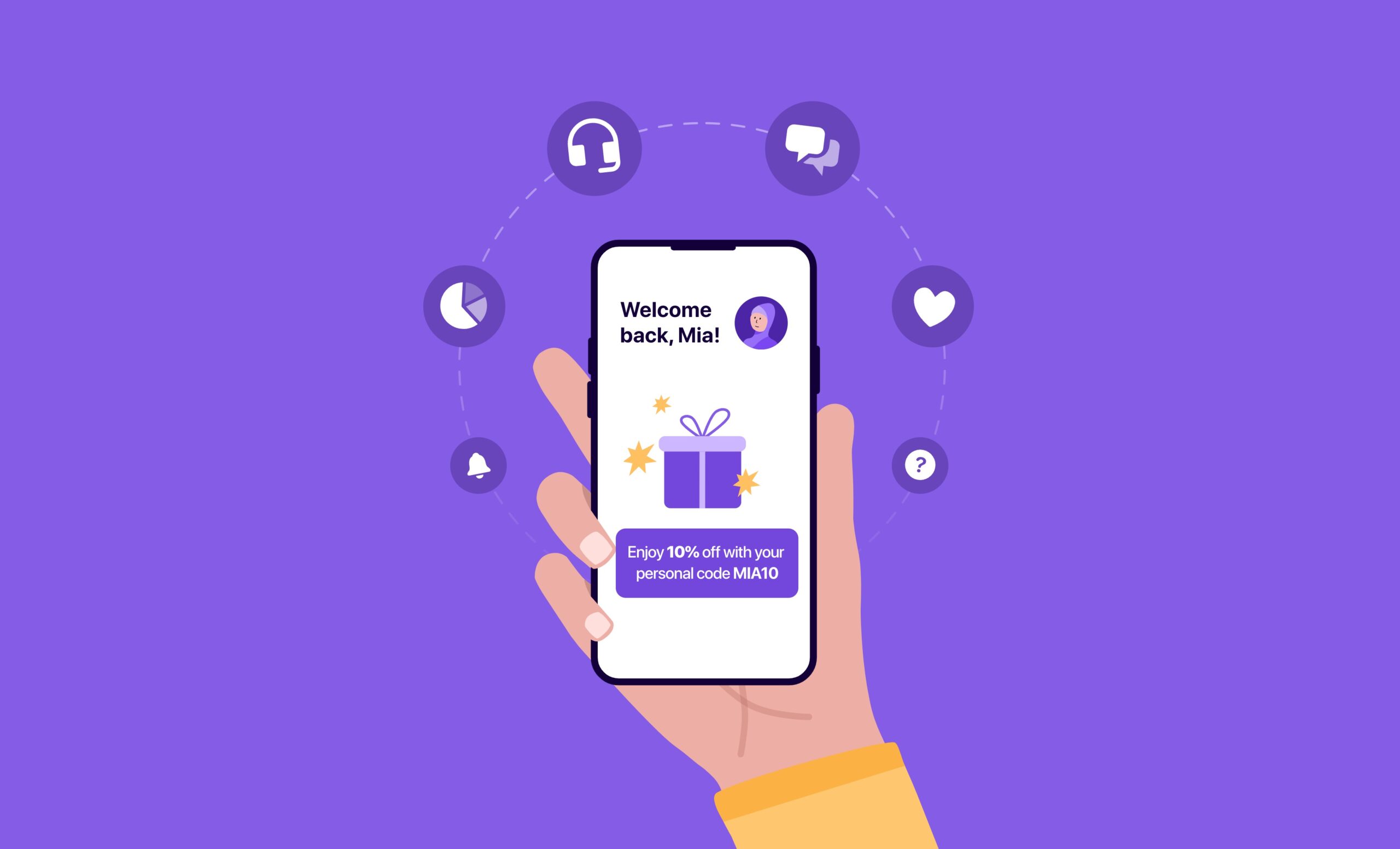
Despite the flood of alternate marketing channels that have followed in its wake, email remains one of the most crucial tools for businesses large and small. The key is crafting a campaign that has the components to speak to everyone, then using tools that allow you to tweak it for anyone.
Email marketing has been around for just about as long as email itself, and while the practice may be mature, it has undergone some substantial changes since its early years. The last decade in particular has driven the evolution of email marketing in profound ways, as consumers have come to expect real-time interactions with personalized messaging and content.
Email remains an important way for brands to reach and learn about their customers, but it doesn’t offer the immediacy of channels like social media or organic search. According to Gartner, raised expectations are forcing marketers to adapt their methods in order to get their emails opened.
A Multi-Channel Shift
In the early days of the internet, email was one of the very few if not the only digital avenue marketers could use to reach potential customers, and the novelty alone of receiving an email on a desktop was enough to get the message opened. Today, however, there are dozens of new channels, from the ever-growing number of social media platforms to mobile apps, and consumers are being inundated with advertisements and messaging on an unprecedented scale.
That so many channels exist is leading to a number of significant consequences, not the least of which is that consumers are tuning out superfluous information (while some call it banner blindness, others might call it self-defense). In the business world alone, there are more than 123.9 billion emails sent and received per day, according to a Radicati study. For a single business user, that averages out to receiving approximately 91 emails every day. Consumers, meanwhile, send and receive slightly fewer — only 88.2 billion per day. Ultimately, this means that marketers have an extremely limited window of opportunity to make their emails count.
Standing Out
Fortunately, the growth of so many channels has led to an incredible amount of data marketing teams can leverage to craft more personalized campaigns than ever before. The behavior and purchasing patterns of any given consumer segment can be gathered from both forms and surveys and from analytics platforms analyzing users across all digital channels, making it possible to create incredibly personalized messaging.
With just a few bits of administrative data, you can create relevant messaging that stands out from the dozens of other emails flooding inboxes on a daily basis. Smarter segmentation — basing messages on the gender, age, and previous purchases of a user, for instance — vastly improves the chances that the email you send will end up being opened.
Having the right marketing tools is crucial in this drive for personalization. Not only do good analytics tell you what messaging is likely to appeal to which users, but at what time they’ll be most appealing. If you know, for example, that a certain customer is likely to take their business elsewhere after six months, you can develop a tailored campaign incentivizing that customer to stay. This also helps you to avoid frustrating users to the point of unsubscribing from your email list.
Finally, there’s the use of behavioral data to pull in users who you know are close to converting. The fact is that once you have a user’s email address, you probably also know a few things about their previous interactions with the brand. An online shopper may have visited your site, signed up in order to make purchases, placed items in the cart, and abruptly left — with the right autonomous marketing tools, you could send that user an email encouraging him to complete his purchase.
These “event-triggered” tactics, as they’re known, are becoming increasingly commonplace, but they are not sufficient on their own. To be most effective, it is essential that email marketers now use first names, location-based information, even birthdays or favorite colors.
Keeping Track
The results of using such personalized campaigns are staggering. According to an Experian marketing study, personalized promotional mailings have 29% higher unique open rates and 41% higher unique click through rates than mailings that weren’t customized, explains Marketing Land. Even just personalizing the subject line led to a 26% overall unique open rate.
The challenge, however, is not only collecting and processing the countless data points produced by every channel, but gleaning actionable insights fast enough to make relevant changes during a campaign to improve it in real-time. Artificial intelligence-based marketing platforms like our software do just that work for you, so you can focus on the content of the emails and not the click-through-rates.


