
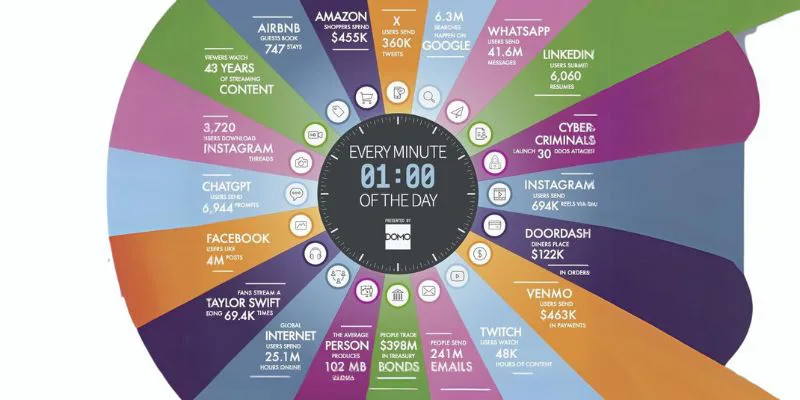
Maximize your Data. A common cliche which works not because it makes you feel like a superhero, but because it’s true. Marketers set up an abundance of campaigns, target new channels as soon as they are target ready, utilize endless resources including manpower, time and money and end up with piles and piles of data. Let’s face it, we want to do more than just reporting, we want to refine user targeting, analyze customer lifecycle, strengthen customer retention, determine efficiency of marketing programs, and increase ROI whenever possible.
This series is about that Data. How to manage it. How to organize it. How to analyze it. How to use it.
In the first part of this four part series I will talk about Data Mining. What I like to call the breakthrough maker, or the discoverer of the not-yet-discovered trend. I love Data Mining because it removes all elements of blind faith and opinion from the decision making table and everyone is equal in our need for the data mining process. This applies whether you work in a new breakout online store, a new application, or a big enterprise company’s marketing department. Data and knowledge discovery wins every argument every time. The same goes for retention of customer, show them a discovery about their product and service which then increases their ROI, your customer will be sticking around.
Thomas Khabaza, one of the first data miners on the scene, developed “9 laws of Data Mining” to help guide the new data miner towards good analytics and reach useful insights. Khabaza’s laws seem obvious at first sight but are frequently overlooked in the data mining process and are therefore integral to a data mining conversation.
Here they are in brief:
- “Business Goals Law”: Data Mining does not stand alone but is rather a tool to reach a specific business goal.
- “Business Knowledge Law”: Business Knowledge is the start, middle, end of every data mining process.
- “Data Preparation Law”: Bad groundwork yields bad analysis. Data preparation is a necessary step in the process and usually takes the majority of the process’ time.
- “NFL-DM”: There is No Free Lunch for the Data Miner, or in english, there is no one correct model for any given set, trial and error is a necessary evil.
- “Watkins’ Law”: There are, and will always be, patterns to be found in data.
- “Insight Law”: Data mining compliments human understanding. Humans utilize the processes (and conclusions reached) in data mining, which are beyond human ability, in order to solve business or human problems.
- “Prediction Law”: In data mining we sometimes use the term “predictive analytics” but we do not actually predict specific events or behavior of a specific individual. The power lies in the scoring of the new information based off the predictive model. It is a statistical likelihood rather than a given.
- “Value Law”: Whereas in predictive models, value is determined by accuracy and stability or technical measurements, in data mining the more important measurement of value is business fit and business insight
- “Law of Change”: The world is evolving from one moment to the next. This affects user behaviors, technological trends and discoveries. Additionally, our understanding of events, behaviors, and the last data mining trial we ran is constantly changing. If patterns are found in data gathered about the world, our understanding of the data and our business knowledge and goals; it must follow then that patterns must also be subject to change. Which brings us back to Law 1 and the joys of data mining.
Let me reiterate here my original thought about my love for data and the mining thereof for those of you who are discouraged by the dry facts. Begin and end with the ABCs of data mining and the results will speak for themselves and stay tuned for my next data installment.
….and remember, the data never sleeps.


